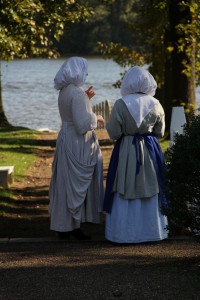
Ahhh February – the month of love and romance. Many aspects of human relationships and marriage are timeless, but there are a lot of differences between modern couples and those who founded Pennsylvania!

While there are some modern-day couples who might face some obstacles in gaining acceptance from their families, it’s nothing like what they would have encounter as a 17th-century Quaker. Quaker couples had to undergo a series of moral tests and the scrutiny of the Quaker society prior to their marriage. Not only did Quakers need consent for marriage from both sets of parents, they sought the permission of the whole Quaker community as well.
Quaker customs encouraged marriage within their own population and often disowned or banished those who decided to marry outside of the faith. The culture of the colonial Quaker society aimed to maintain a tight knit spiritual community, so they encouraged Quaker matches in the hopes of growing that community. This meant they needed to have a large population of diverse families, since they also prohibited marriages between blood relations. This included cousins up to the fourth degree removed.
They also forbid widowed Quakers from marrying their spouses’ relatives. The relatives of their deceased spouse were considered to be an extension of their family and violated the colonial marriage customs. These restrictions were a larger issue than they might be today, since in the 17th Century, death rates were high and individuals often had multiple marriages during their lifetime.
When a Quaker couple like William Penn and Hannah Callowhill first proposed marriage, they began by seeking the approval of their parents (even if they were mature adults). Their written consent was needed if a couple was to proceed with the marriage. After receiving a blessing from both sets of parents, the couple presented their proposal to the entire community at the Quakers’ monthly religious meetings.
By Melanie Hankins, Intern
Further Reading
Barry Levy, Quaker and the American Family, 1988.
Women’s Meetings Monthly, Quarterly, and Yearly Minutes, Bucks County 1683-1705.
J. William Frost, The Quaker Family: a Portrait of the Society of Friend.
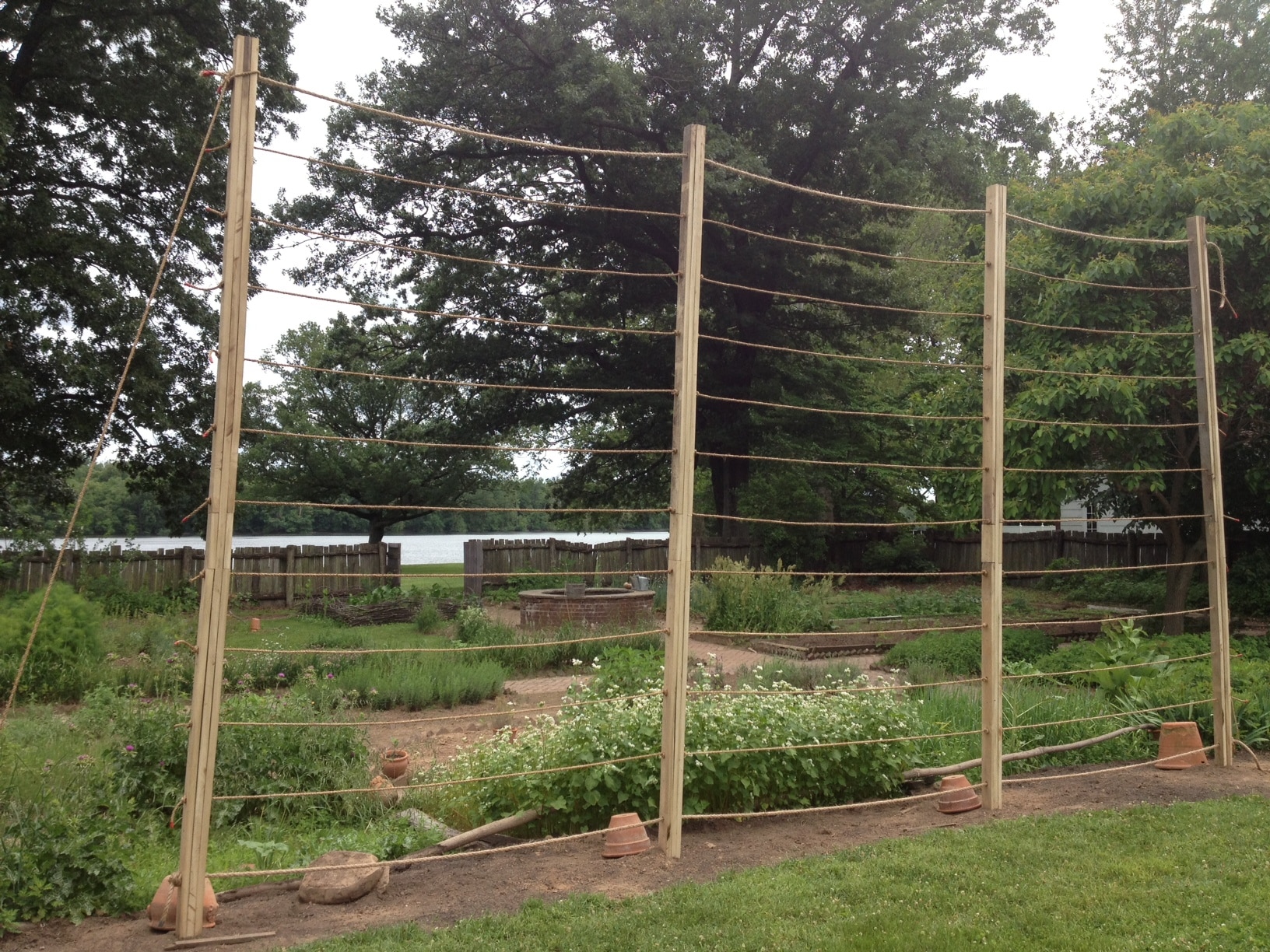
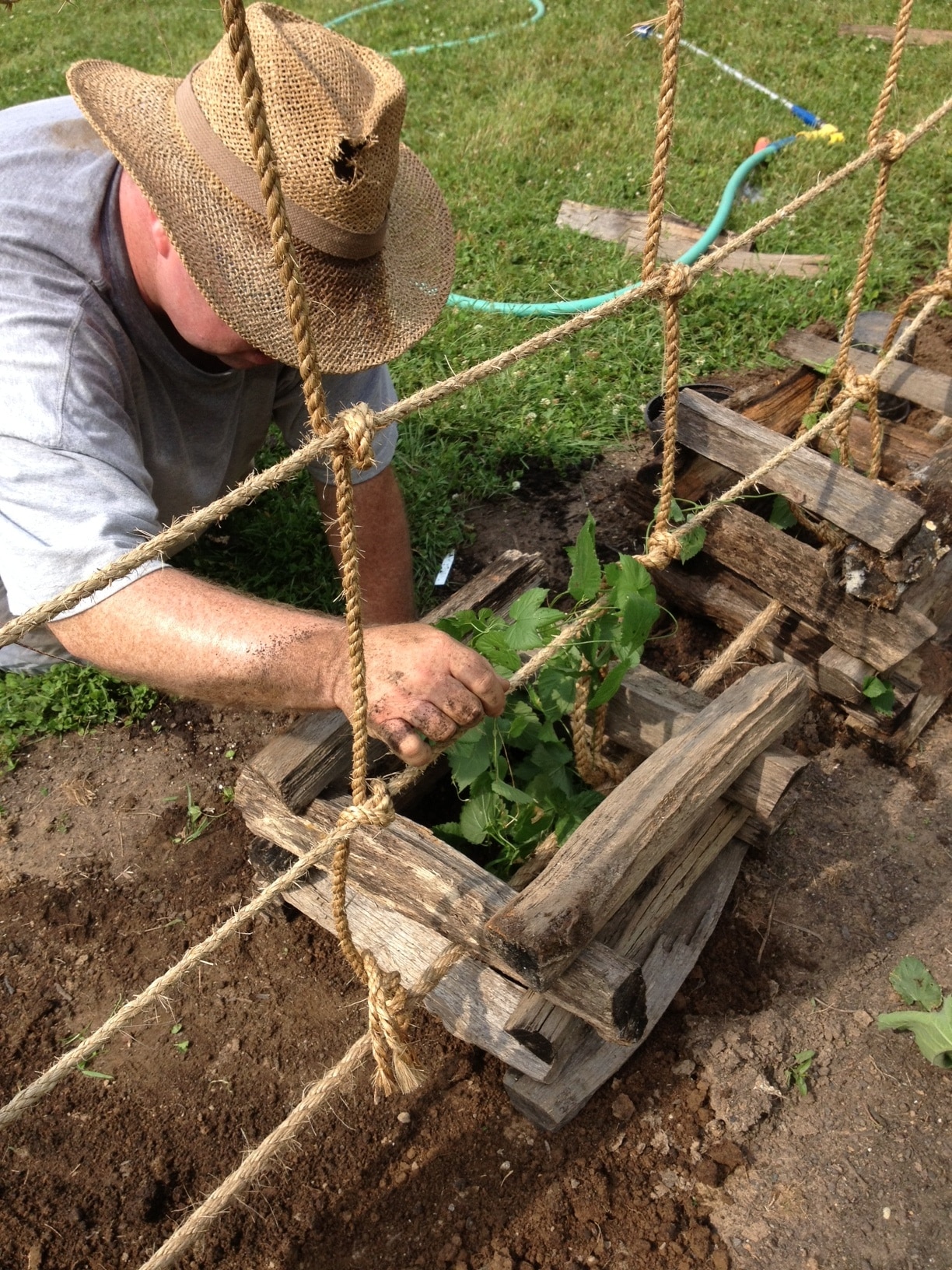
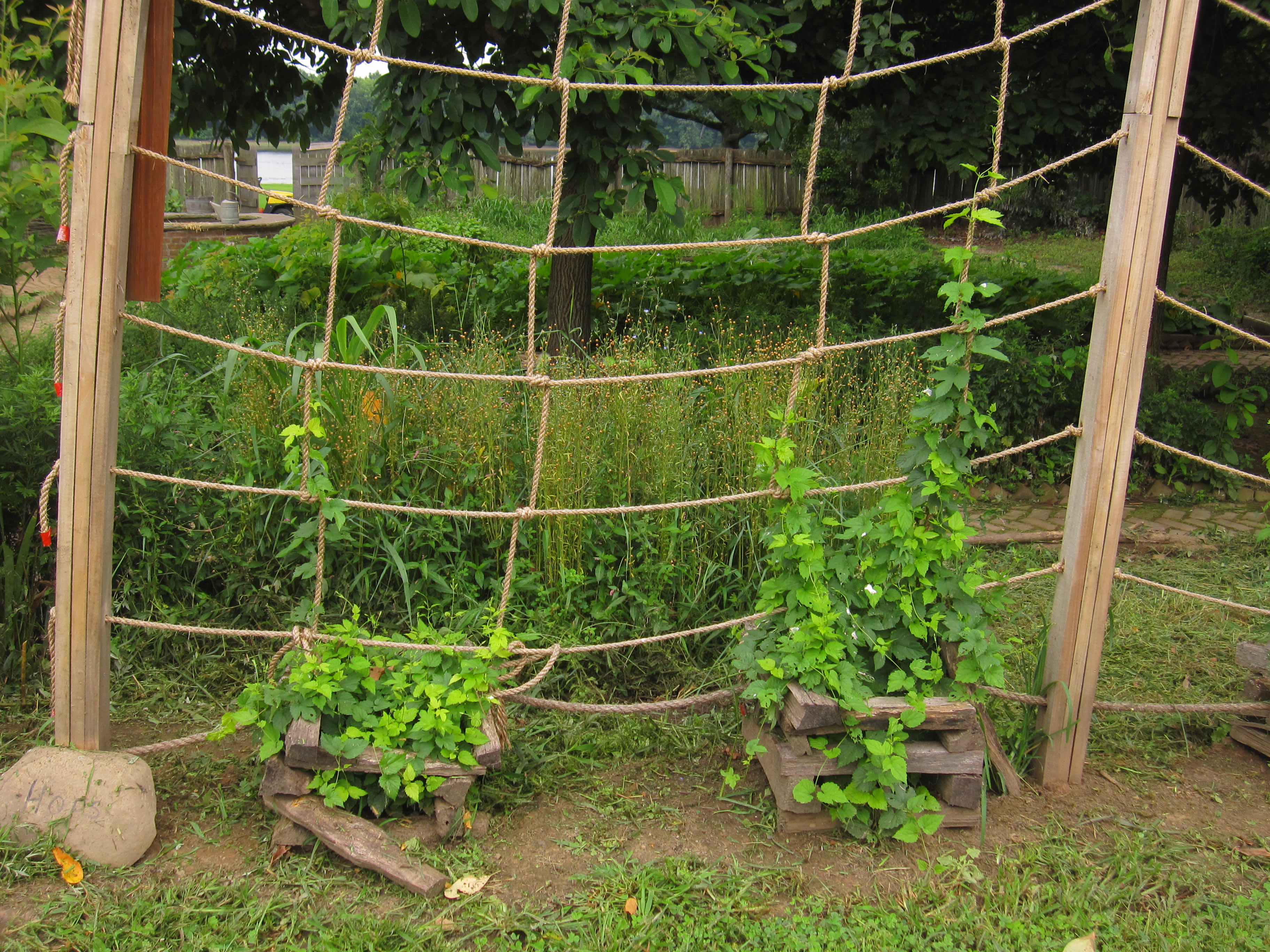
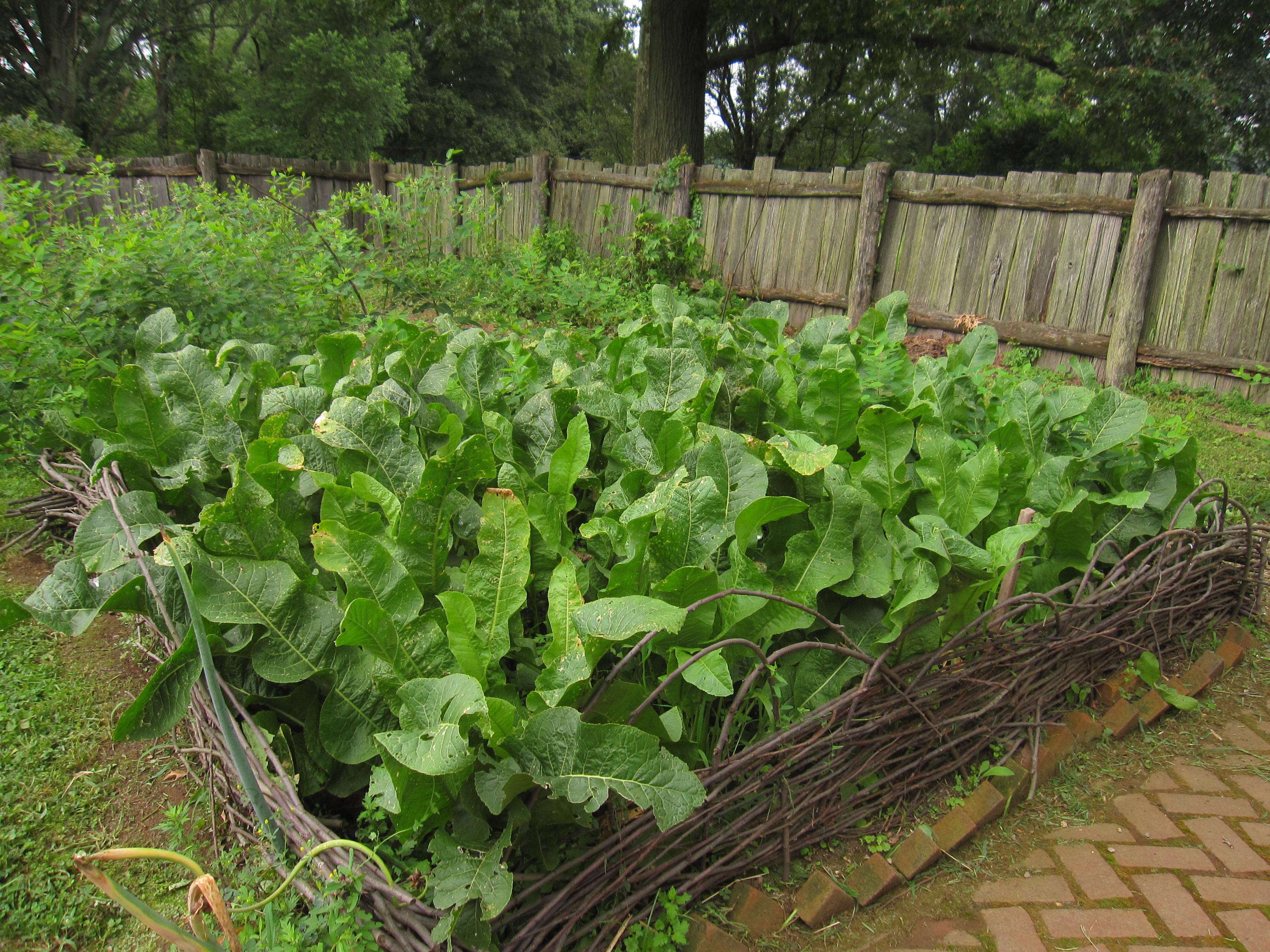
 Chives are a great plant to grow in the Kitchen Garden, since you can chop off the stalks and it will keep growing back all season. Mustard Greens are another constant resource that can be picked anytime, and they are self-sewn and easy to grow. But some plants take a longer time to mature. Our asparagus is still in its first year of growth, so we’re not ready to harvest this year. Leaving the asparagus shoots alone for 2-3 years before harvesting means you will have a much bigger yield with larger stalks. But of course when living in the new colony, if the garden had a bad season and you were desperate for the food, you would have to harvest what you could to survive.