Our History
William Penn Timeline
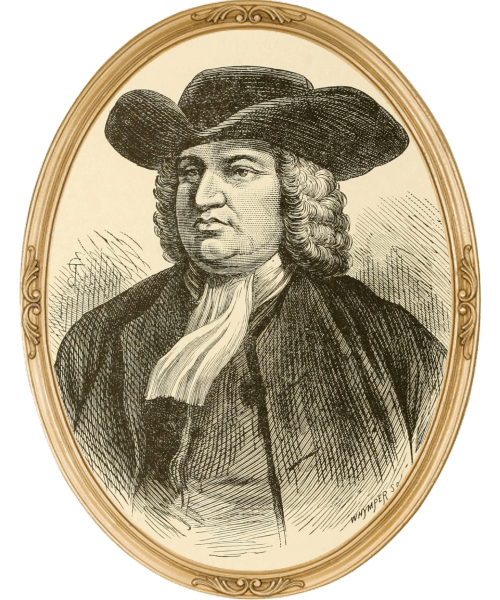
Step back in time to the 17th century and immerse yourself in the captivating legacy of William Penn, a visionary who sought solace in the embrace of a country life for his beloved children. Penn’s dream materialized in the spring of 1683 as the construction of his countryside residence commenced, nestled on 43 enchanting acres along the banks of the Delaware River.
Embark on a guided tour, where passionate historians will regale you with tales of William Penn’s life and the historical significance of his estate. Delve deeper into the past with a visit to our award-winning exhibit, “William Penn: Seed of a Nation,” providing a nuanced perspective on one of America’s most renowned Quakers and the founding principles that shaped the nation.
Gardening at Pennsbury
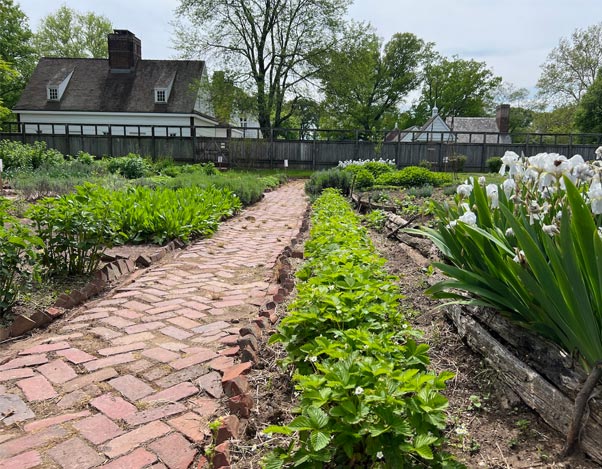
In the rich tapestry of colonial America, the English emerged as skilled horticulturalists, leaving an indelible mark on the landscape through the exchange of plants and botanical knowledge across Europe and the burgeoning colonies. At the heart of this botanical fascination was William Penn, a visionary who not only sought to cultivate the land for practical purposes but also viewed gardening as a conduit to understand the divine intricacies of nature.
Penn’s enlightened perspective led him to encourage his dedicated gardeners to venture into the lush surrounding forests, collecting a bounty of plants destined for both the estate’s kitchen garden and the return voyage to England. This exchange of botanical treasures not only enriched the aesthetics of Penn’s estate but also contributed to the broader botanical dialogue between the Old World and the New.
Colonial Americans at Pennsbury
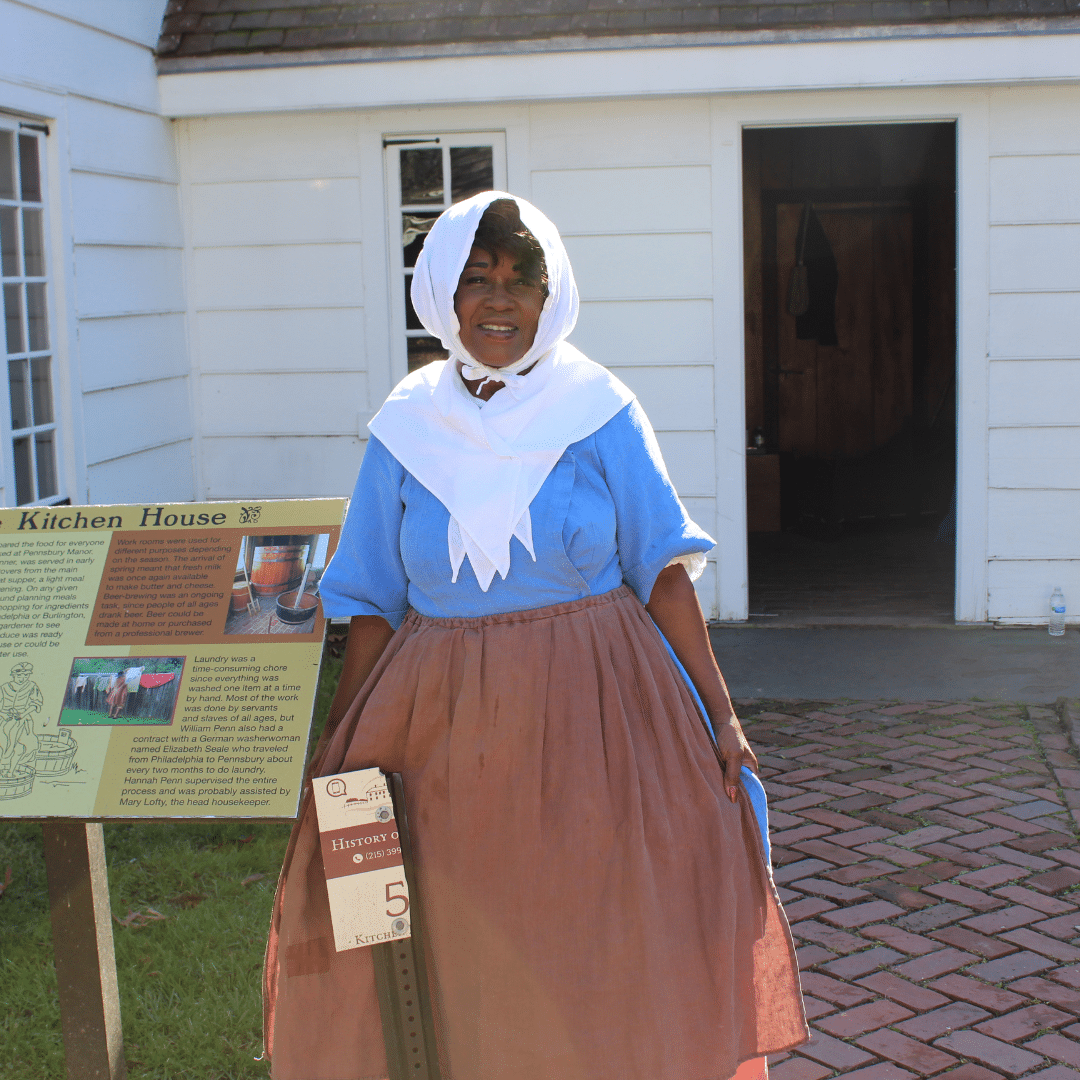
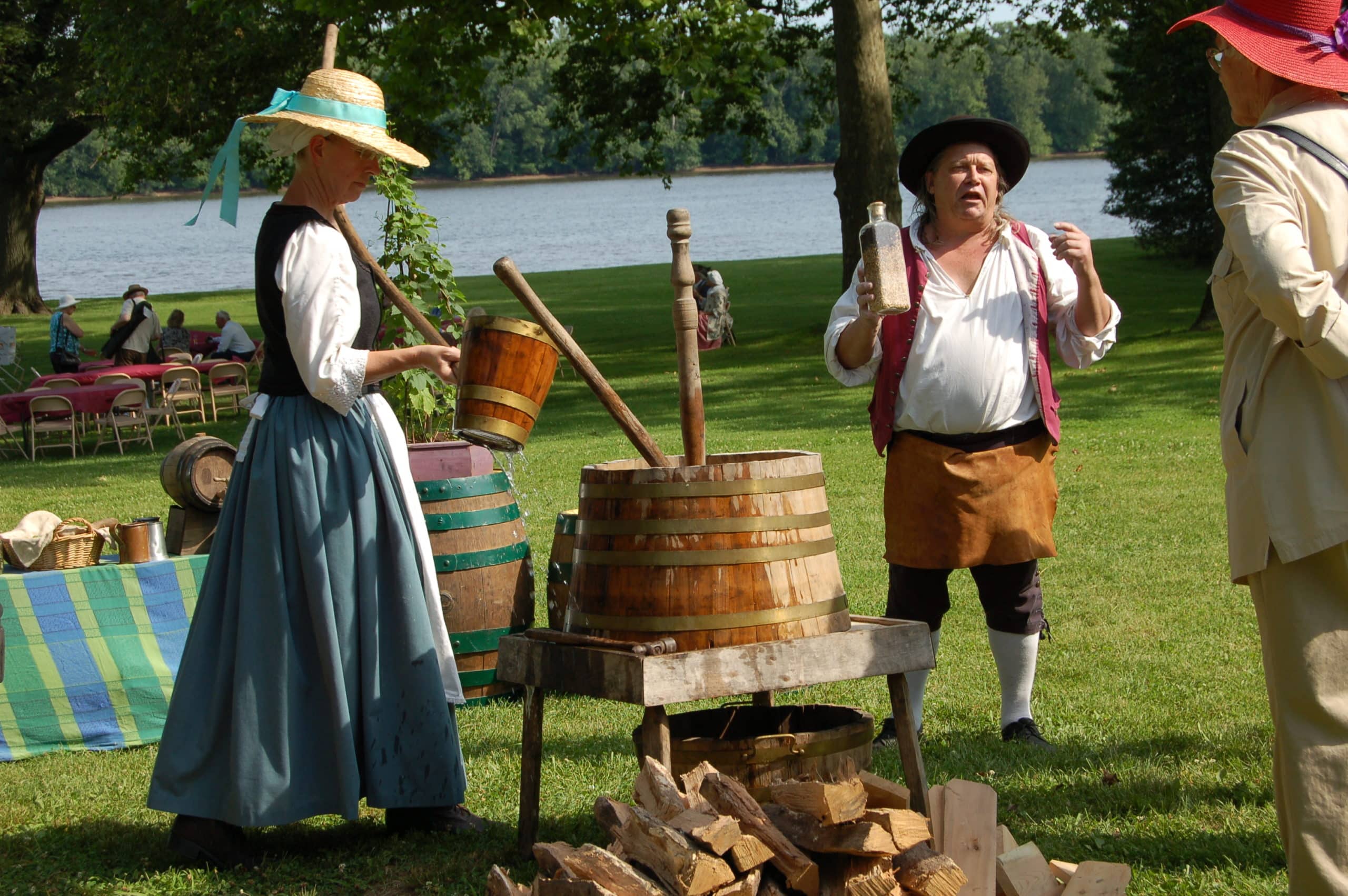
In the intricate tapestry of colonial life, the rhythm of daily existence was orchestrated by the ebb and flow of the seasons, an intricate dance that shaped routines and activities far more profoundly than our contemporary lives. As the warmth of summer bathed the landscape in golden hues, Pennsbury, William Penn’s estate, transformed into a hub of activity, each day unfolding as a chapter in the agrarian symphony of life.
The fields surrounding Pennsbury became a patchwork of vibrant greenery, tended to by diligent hands. Gardens flourished with an array of fruits and vegetables, each carefully selected for its flavor and utility. Residents toiled under the summer sun, nurturing the crops that would soon find their way to the tables of Pennsbury.
Life at Pennsbury & the Colonial Revival
Does Pennsbury Manor look the same as it did 300 years ago? Answering this question evokes a response akin to a confident and emphatic shrug of the shoulders. The available information is simply insufficient to paint a detailed picture of what Pennsbury precisely resembled in the year 1700.
Archaeological evidence does validate the presence of a brick front and a clapboard back, aligning with Penn’s instructions in 1685. In that directive, Penn urged, “what you can do with bricks, do; what you can’t, do it with good timbers… and we can brick it afterwards.” Regrettably, Penn faced the unfortunate circumstance of being unable to see the completion of the brickwork, leaving an unfinished chapter in the architectural evolution of Pennsbury.
The Manor House
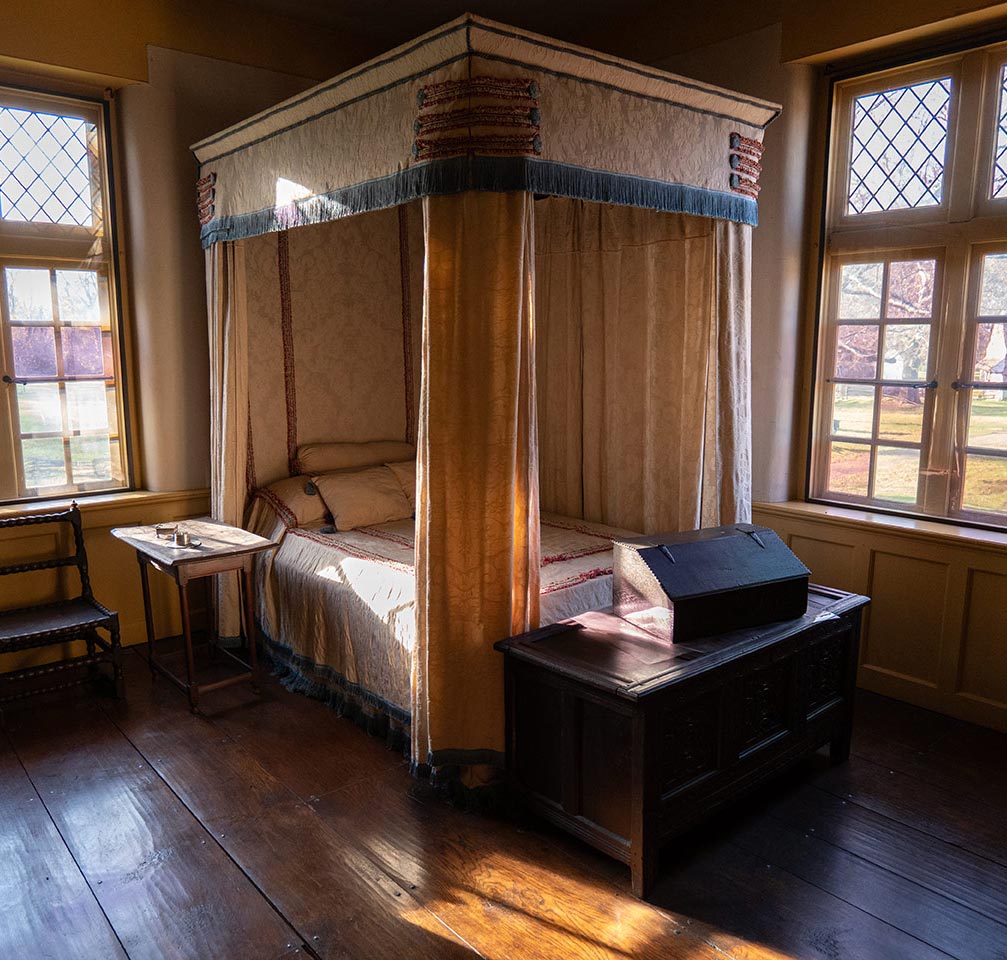
Pennsbury Manor, nestled along the banks of the Delaware River, held a multifaceted role in the life of William Penn beyond being a mere family home. Stepping beyond the confines of domesticity, Pennsbury Manor evolved into a dynamic hub, encompassing the dual functions of an office and a center of colonial government whenever Penn graced its halls with his presence.
Within the confines of The Manor, the stately mansion was not merely a sanctuary for familial ties but transformed into a command center for Penn’s administrative responsibilities. It became the epicenter where decisions crucial to the fledgling colony were conceived and executed. Rooms that echoed with laughter during family gatherings would also resonate with the weighty discussions of governance, policy-making, and the shaping of colonial destinies.
William Penn and American History
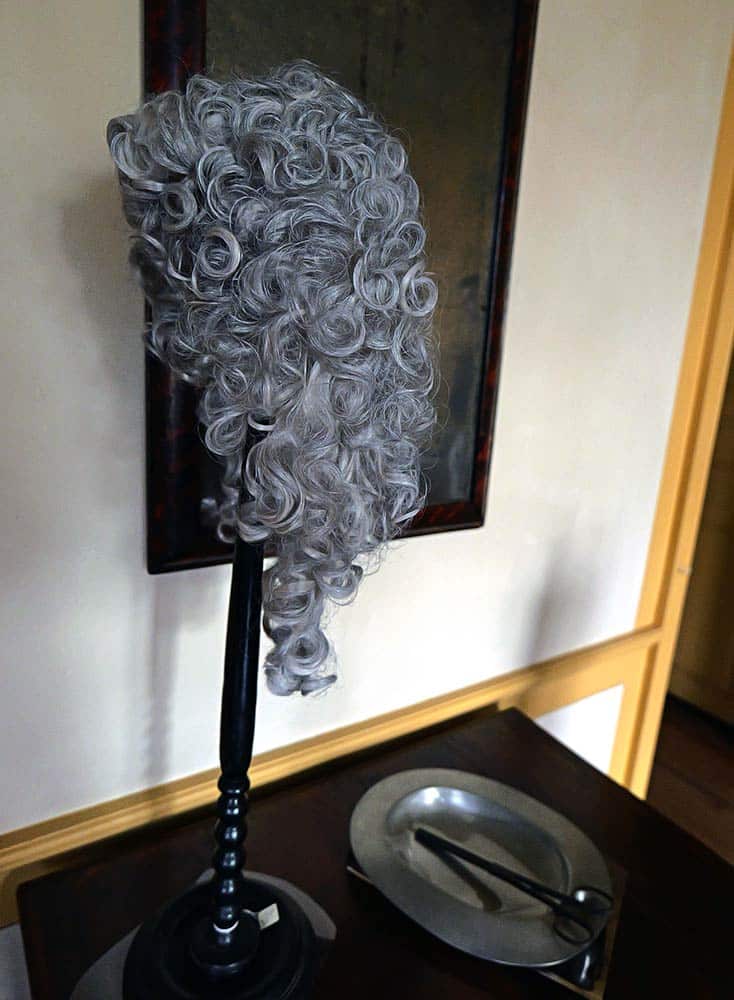
Penn, alongside fellow Quakers, embraced the notion that each individual must pursue their own path to connect with God. Beyond this personal conviction, Penn envisioned that fostering religious tolerance, often termed as “liberty of conscience,” would not only strengthen governance but also contribute to the prosperity of societies.
Pennsylvania, under Penn’s guidance, became a haven for settlers of diverse religious backgrounds. Unlike other American colonies, which established official churches, Penn opted for a different course. His vision for Pennsylvania was one where religious pluralism thrived, unencumbered by the establishment of a singular official faith. In this atmosphere of inclusivity, settlers from various religious persuasions found a welcoming home, embodying the very essence of Penn’s commitment to liberty of conscience.

Plan Your Visit
“A country life and estate I like best for my children,” William Penn
Situated along the Delaware River in beautiful Bucks County, Pennsylvania, this 43-acre country estate was the summer home of William Penn, founder and first governor of Pennsylvania.

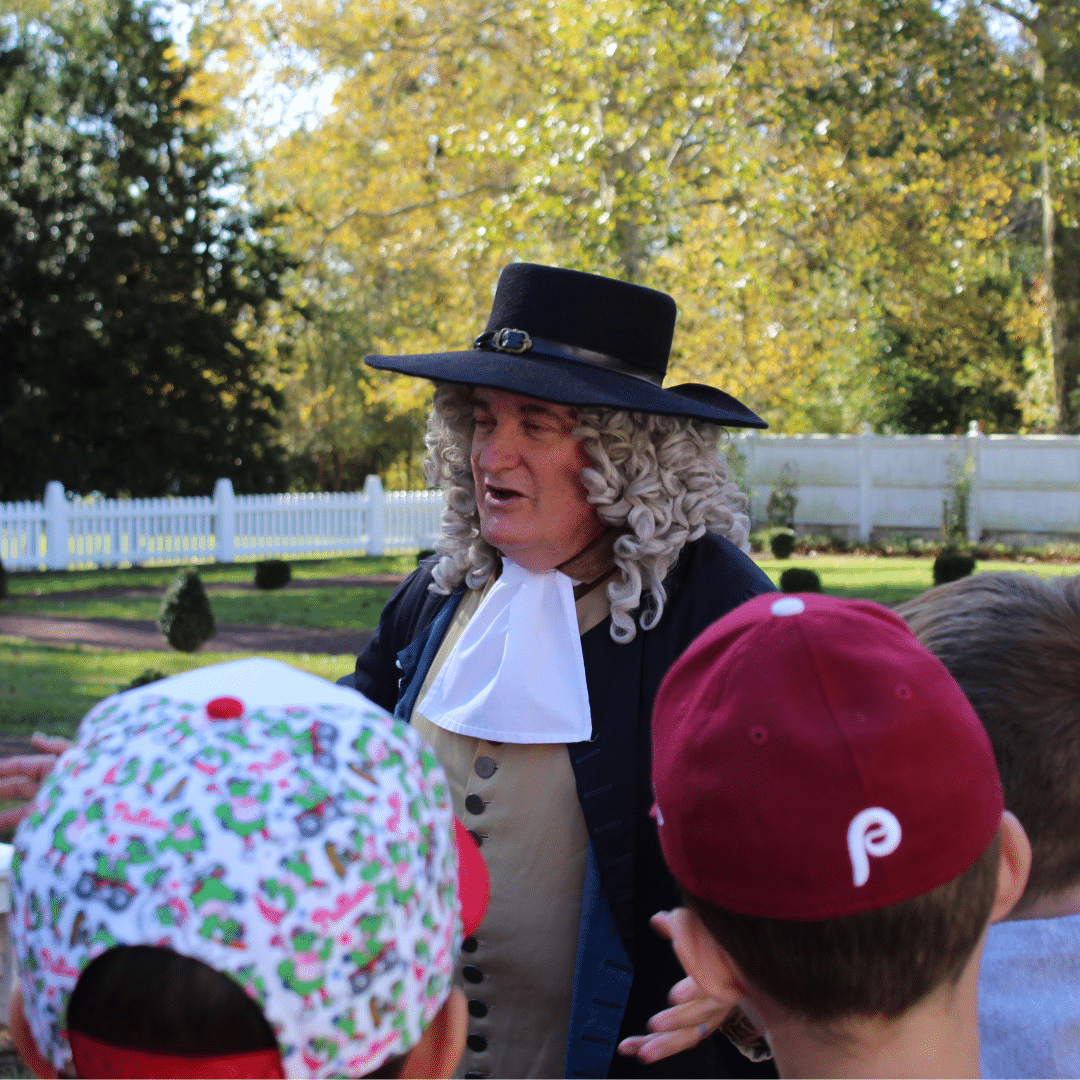
Education
What was life like 300 years ago? The stories of people who lived and worked at Pennsbury Manor will come to life through living history demonstrations and activities, including gardening, blacksmithing, open-hearth cooking, and more!
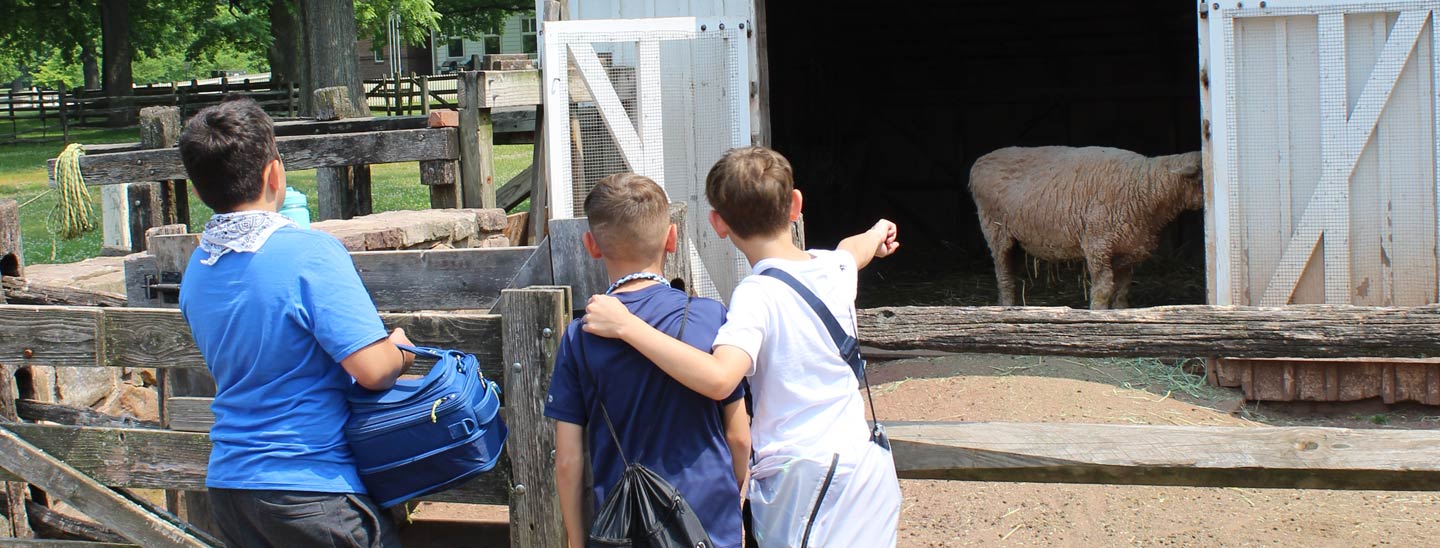
School Programs
Pennsbury Manor offers a variety of programs designed specifically for children. We are the only historic site in the country that relates specifically to William Penn, his contributions to Pennsylvania, and his impact on American history. All of our educational programs meet Pennsylvania history standards, and our hands-on approach to learning means that every student has the opportunity to be involved. Programs are offered Tuesdays – Fridays throughout the year. Our Education Program Coordinator will be glad to help you plan your Pennsbury Manor experience!
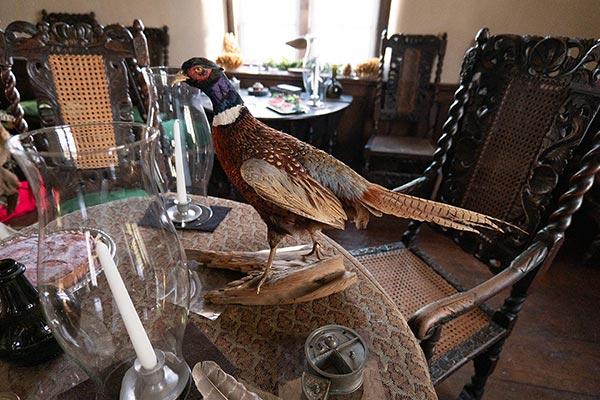
Distance Learning
A distance learning program from Pennsbury Manor is a great way to bring history to your students from afar! Whether you are in the classroom, at home, or using hybrid learning, a distance learning lesson could be the perfect fit for you. This program requires a strong internet connection and access to a virtual learning platform. For more information or to book your program, please email our Education Program Coordinator, Kerry Scott, at c-kerscott@pa.gov. Two weeks’ advance booking is recommended.
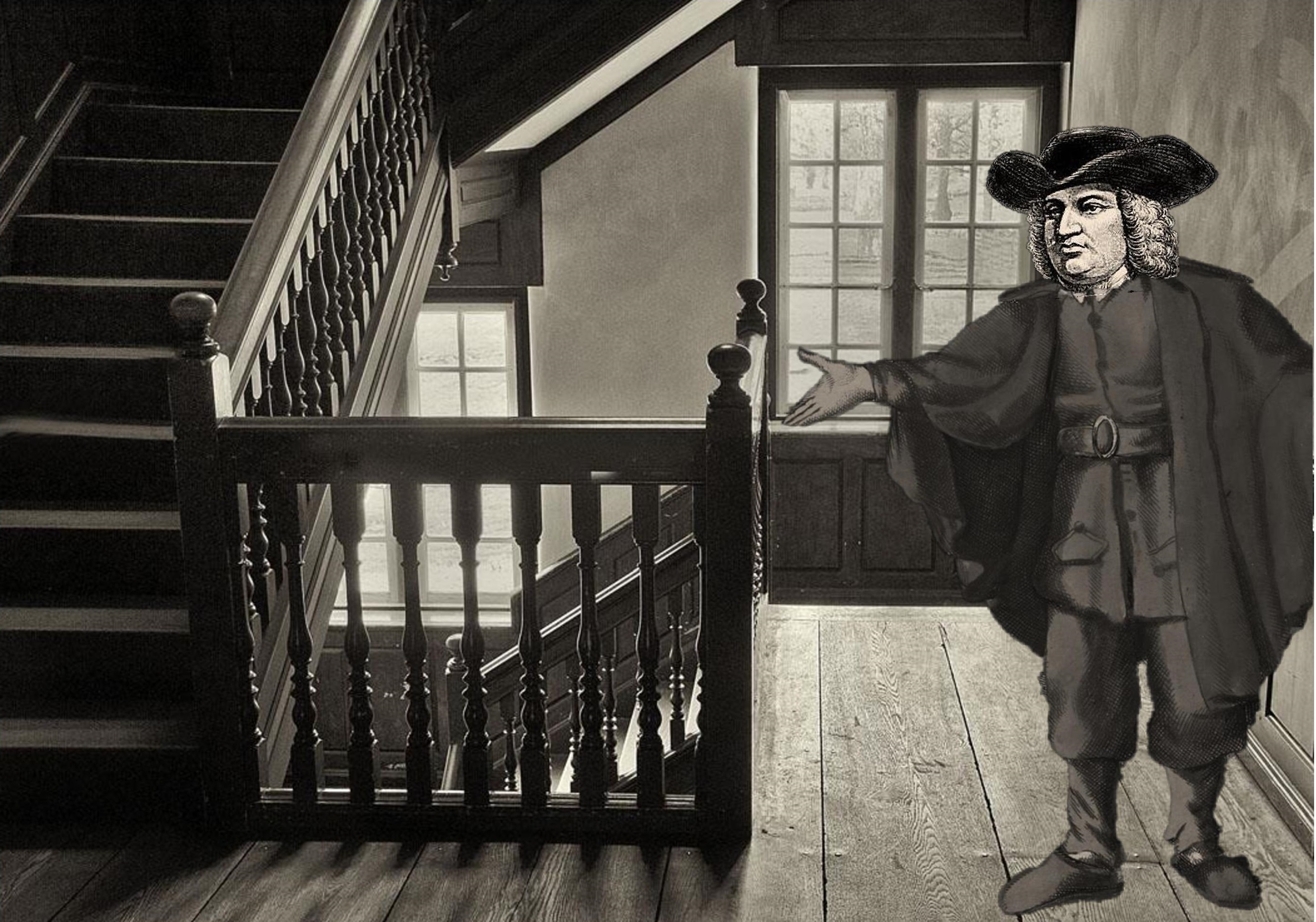
Virtual Classroom
Learn about William Penn, the 17th Century and Pennsbury Manor from the comfort of your home! Our Virtual Classroom offers free, fun activities for students for both inside and outside the house. Find out more: Call 215-946-0400
William Penn in Your Classroom
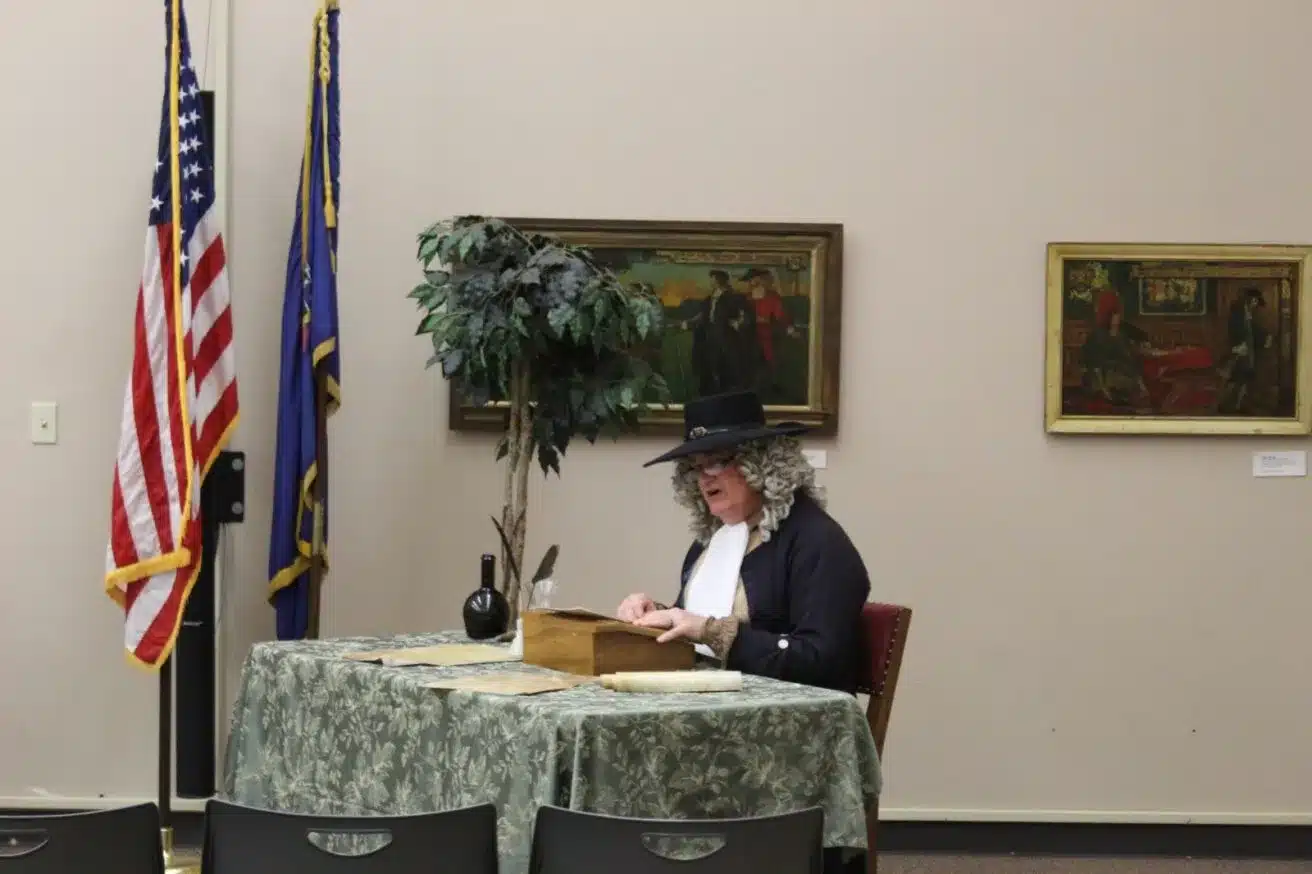
How would your students like to learn about the founding of Pennsylvania from the man himself? All Manor House to School House programs are provided by William Penn in the classroom. Each program runs 45-60 minutes in length and can accommodate up to two classes at a cost of $250. An additional program on the same day is $100. Call the Education Program Coordinator at 215-946-0400 to book your Manor House to School House program at least two weeks in advance.
Homeschool Families and Groups
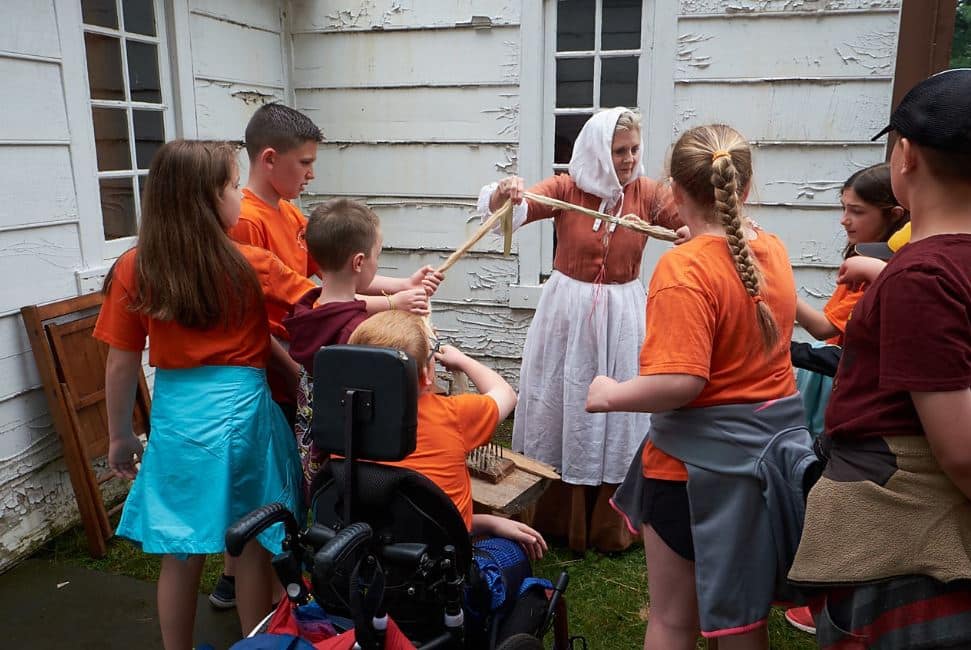
Whether you are visiting as an individual family or as a larger group, Pennsbury Manor can help you plan a visit to meet your goals. Our homeschool programs are designed to introduce learners of all ages to the world of William Penn! Call or email our Education Program Coordinator, Kerry Scott, at c-kerscott@pa.gov or 215-946-0400 to plan your visit.

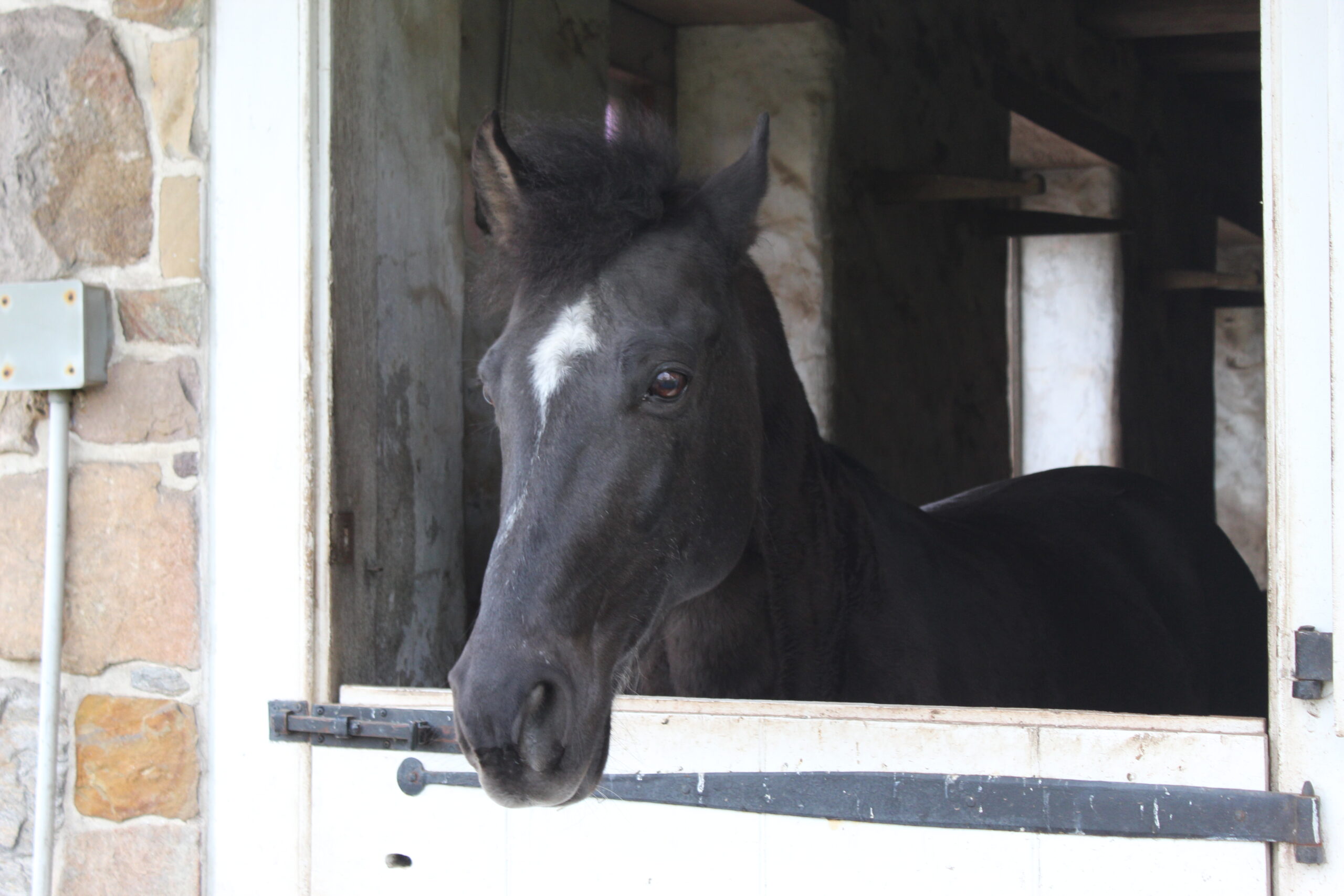
Help Support our Animal Friends
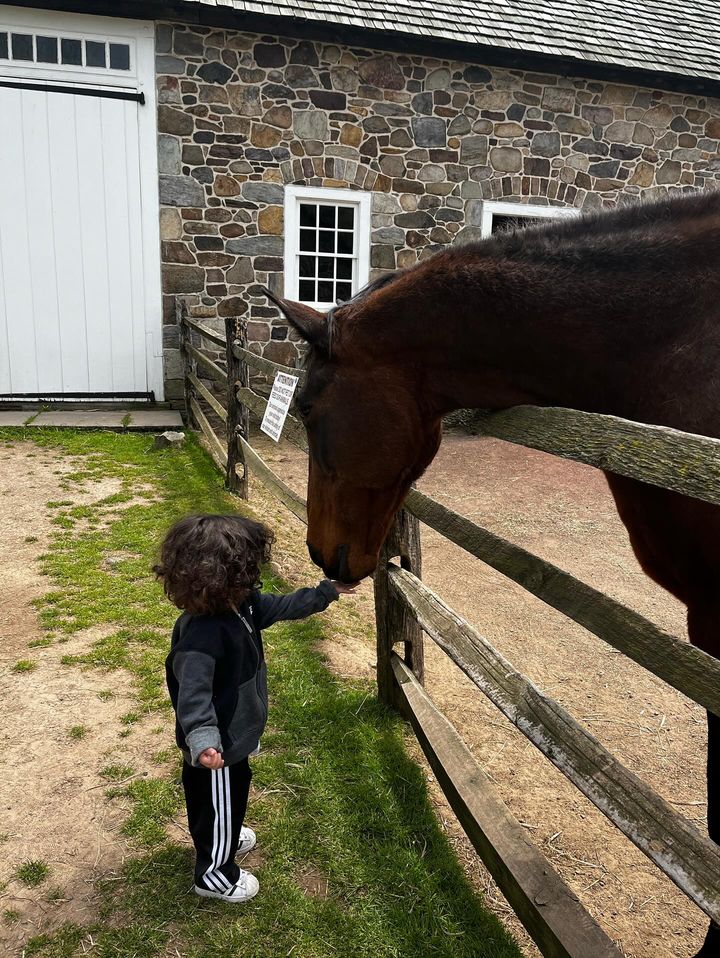
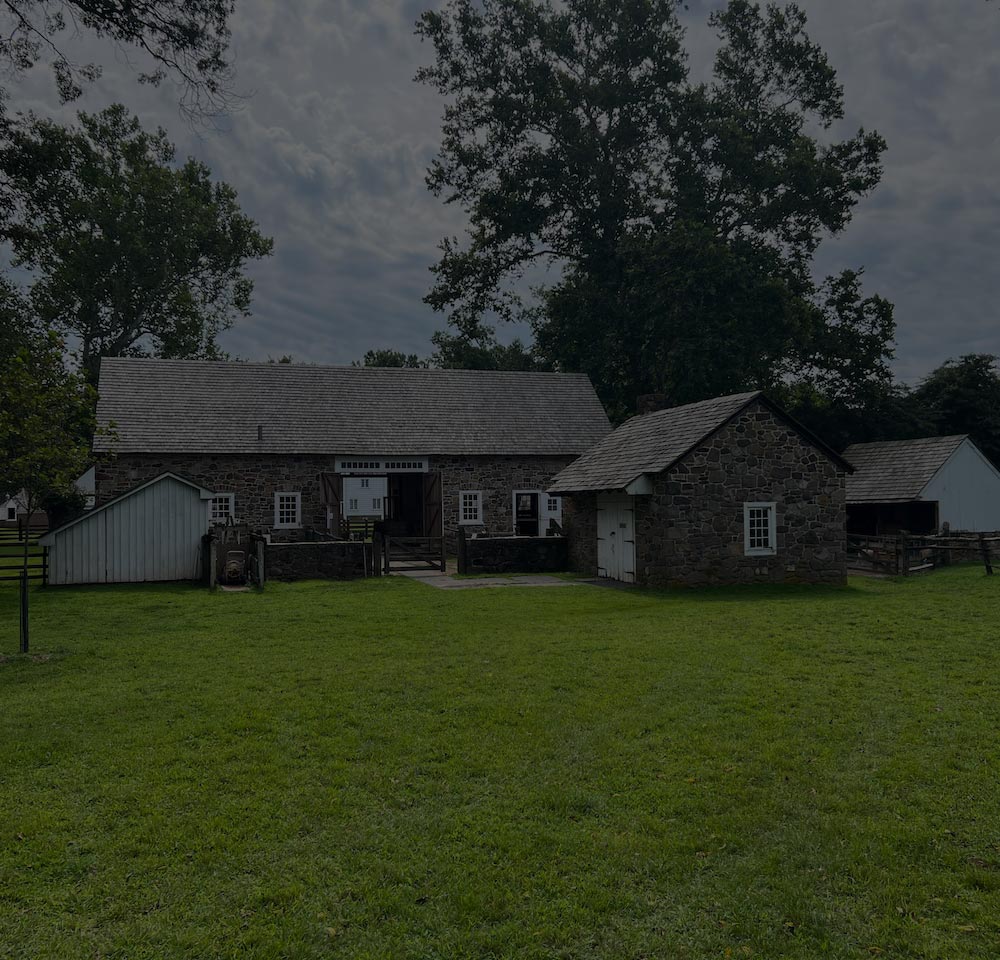
In William Penn's time, the animals at Pennsbury Manor would have been part of a working farm that sustained the people living there. Today, our sheep, geese, and horses serve to educate the public about the crucial role of their predecessors. Pennsbury Manor is one of a handful of museums that maintains a living collection of retired animals. With your generous donation, we will be able to continue to provide a great life for our animals.